

Dry Eye Disease is a common problem for many adults and an increasing reason for office visits. From eye irritation or gritty sand sensation to intermittent blurry vision and eye fatigue, dry eye disease can impact patients in a variety of ways. Dryness can be influenced by contact lens wear, autoimmune conditions, medications, computer use, prior eye surgery, and changes in our bodies that occur with aging. The symptoms can be mild and infrequent, or they can be constant and debilitating. Regardless of the symptoms, it is important to be seen by an eye care provider to determine if there is an underlying cause for the dry eyes.
Dry eye is a condition, not just an unfortunate symptom that can be experienced daily. There are two types of dry eye: evaporative dry eye and tear film insufficiency.
Evaporative dry eye occurs when tears evaporate off the surface of the eye. This happens when the layers of the tear film are not sufficiently keeping tears on the surface of the eye as long as they should.
Tear film insufficiency is due to an inadequate amount of tears on the ocular surface.
The tear film coats the eye’s outer layer. This tear film is very important for the lubrication and comfort of the eye as well as for clarity of vision. As we age, the protective film diminishes and leaves the eye susceptible to drying as a result of conditions such as wind and dust. Aqueous-deficient dry eye is specifically caused by inadequate aqueous tear production; many patients have mixed aqueous-deficient and evaporative disease. In fact, many patients complain of excessive tearing and watery eyes because the eye is trying to compensate in an effort to replace the tear film.
Symptoms can be mild to severe and may include:
Dry eyes can be caused by many different factors: age, sex, systemic conditions, eyelid morphology, medications, LASIK eye surgery, hormones, our environment, the list goes on and on. As we age, dry eye becomes more common. Post‑menopausal women are often affected because of body hormone changes. Oral medications can sometimes be the cause including antihistamines, antidepressants, blood pressure medications, and decongestants. Certain autoimmune conditions, such as rheumatoid arthritis and lupus, occur together with dry eyes. Because there are so many causes, stages, and treatment options for dry eye, patients often have a personalized management plan.
Dry eye therapy can include any combination of artificial tears or gels, warm compresses, eyelid scrubs, omega 3 fatty acids, oral antibiotics/anti‑inflammatories, and topical anti‑inflammatory eye drops. Additionally, using a humidifier at home and work can also help alleviate dry eye symptoms.
When eye drops are not effective in treating your dry eye condition, one of our eye specialists may suggest punctal plugs. These plugs are inserted inside the tear ducts to block them. The tears will drain into the nose via tear ducts and blocking this outflow is a reasonable strategy to keep the tears in the eye longer. Our doctors have had a high degree of success in treating this condition with punctal plugs
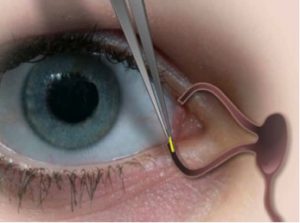 These small devices come in both dissolvable and semi‑permanent forms. Dissolvable punctal plugs are often used after another eye surgery, such as LASIK, in order to ensure that the eyes remain moist in the days after treatment.
For a more long‑term solution to severe dry eyes, your ophthalmologist may recommend semi‑permanent punctal plugs. The plugs can easily be removed at any time should it be necessary. They come in a variety of shapes, sizes, and materials, which your eye doctor will choose to meet your specific needs and eye shape. Punctal plugs are a great adjunct to many other dry eye regimens and when used together allow for much symptomatic relief.
Make an appointment today at one of our eight convenient Atlanta-area locations.
Schedule an Appointment Online
Or call 678-381-2020