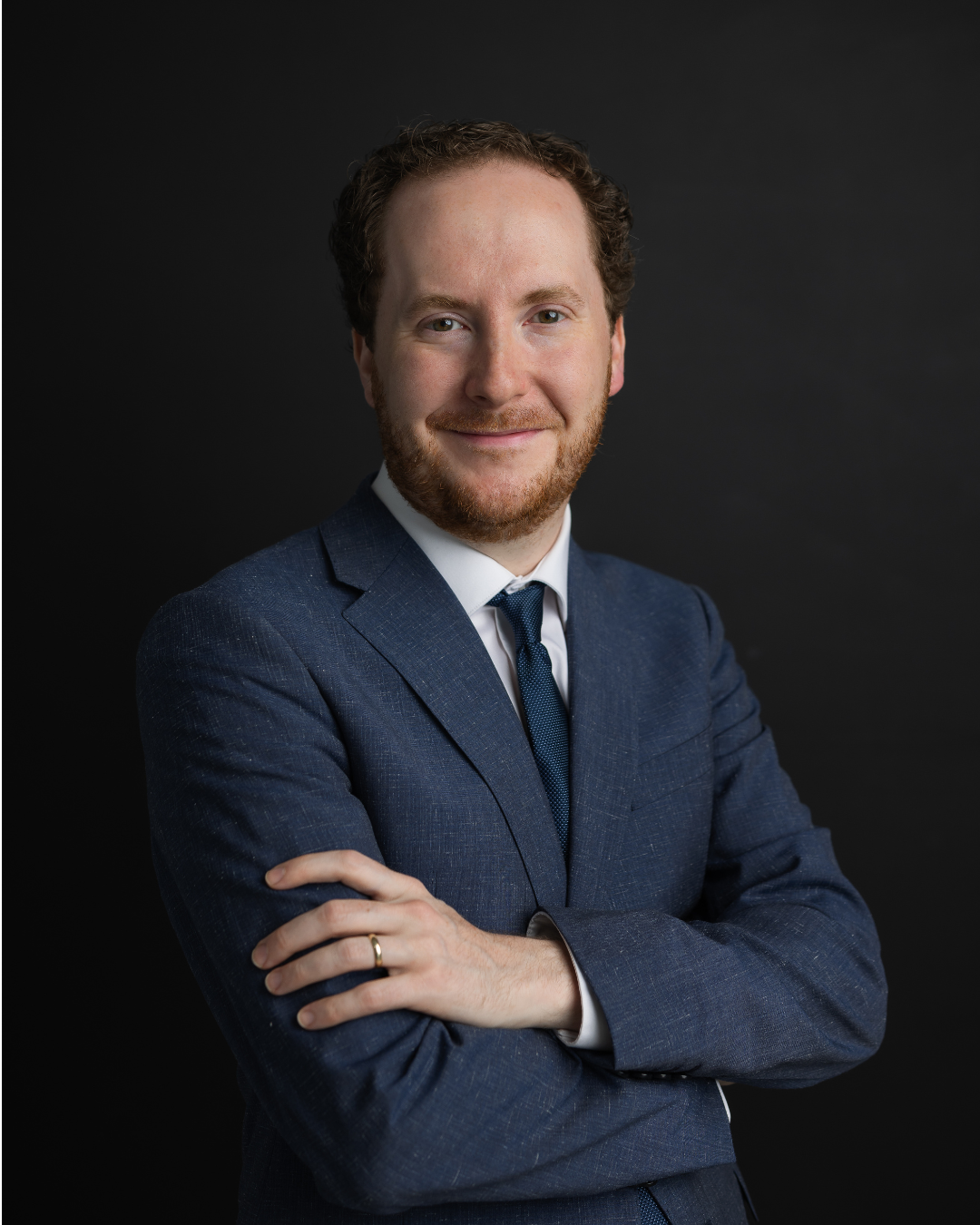


At Milan Eye Center, we’re proud to be known as the “Doctor’s Doctors.” Local physicians and medical professionals have trusted our surgeons for their own eye care — and that of their families. Our board‑certified, fellowship‑trained surgeons are respected throughout the Atlanta medical community for delivering exceptional results.
We offer both conventional and laser‑assisted cataract surgery using the Ziemer FEMTO LDV Z8 laser, an FDA‑approved technology that allows our surgeons to perform bladeless, ultra‑precise incisions for patients who might prefer this technology.
Our team frequently treats patients who have been turned away elsewhere due to complicating factors or high‑risk conditions. Whether it’s a dense cataract, previous eye surgery or unique anatomy, our surgeons have the experience, expertise and tools to take on challenging cases and are often sought for second and third opinions.
With eight locations and six fully accredited surgical centers, Milan Eye Center makes high‑quality care easy to access. Each facility is equipped with state‑of‑the‑art diagnostic and surgical technology and a team dedicated to your comfort every step of the way.
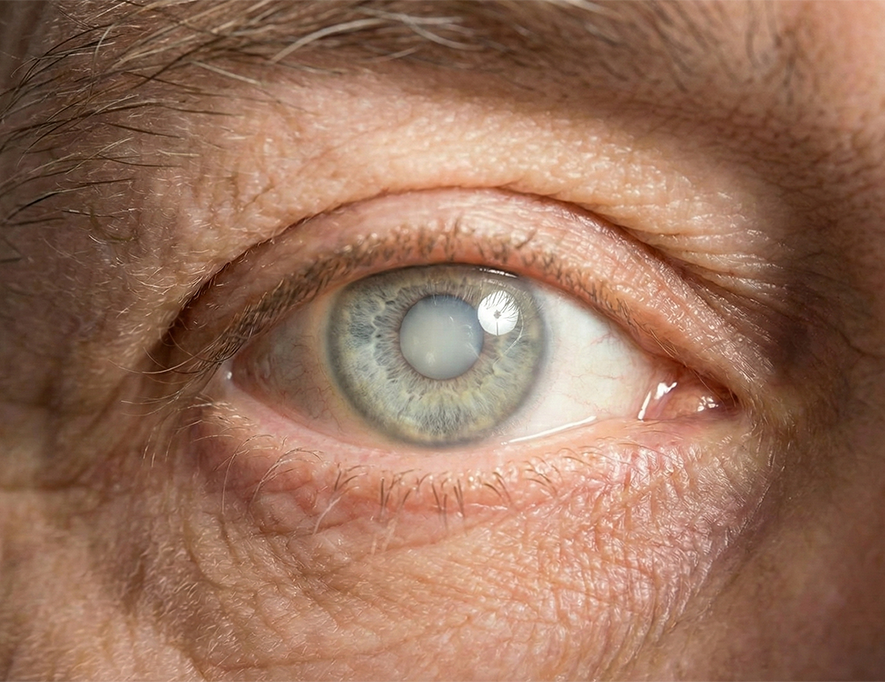
Cataracts are cloudy lenses within our eyes. As we age, the proteins in our lenses become more opaque, causing cloudiness. Cataracts are very common, affecting roughly 60% of people over the age of 60.
Many develop cataracts gradually due to the natural aging process. Still, cataracts can develop quicker from exposure to UV light, smoking, diabetes, eye injury, or the use of certain medications, such as steroids.
With thousands improving their vision, the journey towards visual freedom starts at Milan Eye Center.
Many patients consider poor vision an inevitable fact of aging. However, cataract eye surgery has become an incredibly sophisticated and safe procedure now – about 3 million Americans undergo cataract surgery every year. It can be done at one of Milan Eye Center’s very own outpatient surgery center. Any eye surgery can stir up anxiety. But the realities of cataract surgery are sometimes surprising to patients:
After the procedure, vision may be slightly blurred with a mild foreign body sensation for the first few days. But cataract surgery recovery is usually fast with many patients returning to normal day‑to‑day activities and/or light duty, non-strenuous work by the next day. Over 98% of patients obtain a significant improvement in vision after the cataract surgery procedure.
The benefits of cataract surgery go beyond improved vision and returning to normal everyday tasks. According to studies done by the American Academy of Ophthalmology, some patients also attain improved sleep, moods, and mental capacity.
During cataract surgery, an artificial lens or intraocular lens implant (IOL) replaces the natural lens of the eye. At Milan Eye Center, our expert surgeons offer the entire breadth of ever evolving cataract surgery lens options to correct your vision. We recommend the best technique for your eyes, not the most expensive one.
Traditional implants typically provide good distance vision (if there is no to mild astigmatism), but often require the continued use of glasses for distance, mid-range and near vision.
With toric implants, patients can elect to not only have their cataracts removed but also correct astigmatism. This allows patients to see clearly at distance leaving the patient with the need for reading glasses for smaller print. (Watch Testimonial)
With embedded advanced technology, multifocal implants give patients the opportunity to largely eliminate the need for glasses or contact lenses. This lens will allow patients to clearly see a distance, mid-range and near out of each eye, allowing for a full range of vision and robust freedom for spectacles. (Watch Testimonial)
Though traditional cataract surgery is a medically covered procedure (bladeless is an additional cost), patients may have a choice of advanced technology IOLs to enhance their visual function after surgery. The different IOL choices have varied out‑of‑pocket costs. If you’re a candidate for any of the advanced IOLs, your surgeon will discuss their implications. Milan Eye Center offers patient financing.
Cataracts can be so gradual that you won’t immediately know there’s a problem. There is no pain associated with cataracts, and your brain has a remarkable ability to adapt to diminishing vision.
If you’re over the age of 50, you might have noticed a few changes in your eyesight in recent years. Early cataracts may not affect your vision or have a mild effect on the quality of your vision. But as they progress, you may notice a general “fog,” “smokiness,” or require more light to read. An increase in your glasses prescription may temporarily help improve your vision. However, as cataracts progress, your vision can continue to worsen. It may be time for cataract eye surgery when vision problems begin to interfere with your daily life. Any number of symptoms could dictate the need for cataract surgery, including:
An ophthalmologist will determine whether you have early signs of cataract development using what’s called a “dilated eye exam.” A magnifying lens will examine your retina and optic nerve for signs of damage and other eye problems.
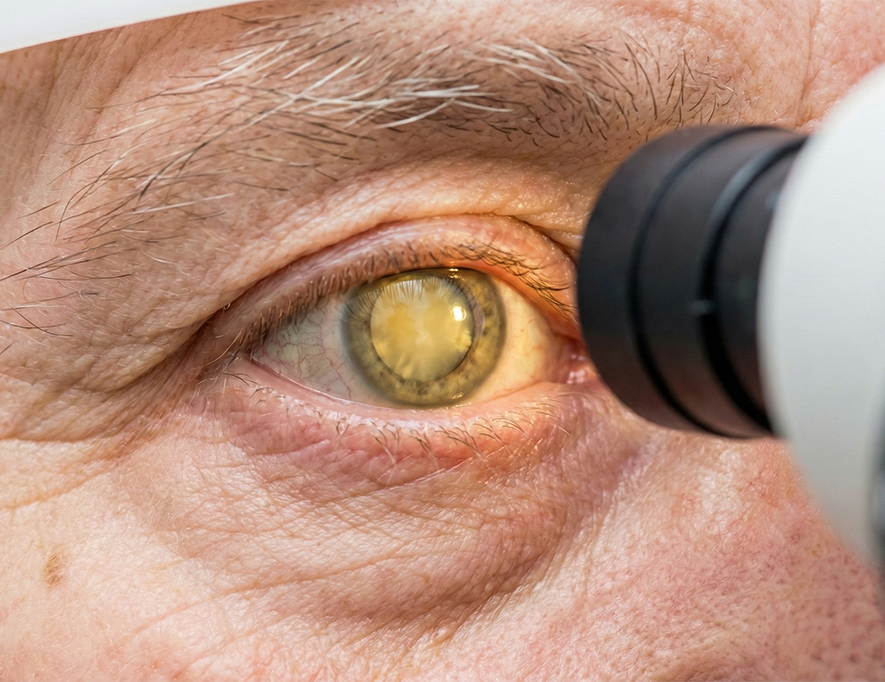
Three types of cataracts are: nuclear, cortical, and posterior subcapsular. Nuclear cataracts are graded according to their color and opaqueness. Standard grading systems evaluate the location and extent/density of lens opacities using slit-lamp and retroillumination standards; “interpupillary space” is not the grading construct.
These occur when the center of the eye (or “nucleus”) goes hard (or “sclerotic”) due to compression of older lens fibers in the nucleus by new fiber formation. As the nucleus hardens, it becomes cloudy (or “opacifies”) and affects your vision. Nuclear sclerosis is the most common of the three.
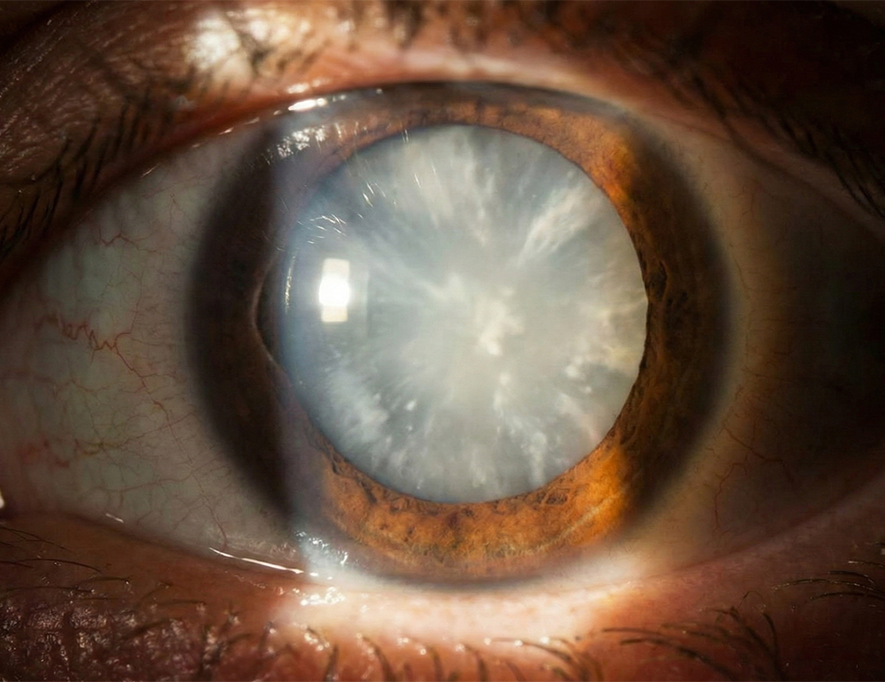
Cortical cataract is a morphologic cataract type; a white or intumescent cataract is a separate descriptive clinical state and is not synonymous with all cortical cataracts.
These are caused by opacities in the most posterior cortical layer, directly under the lens capsule. These cataracts are more common in younger age groups. They tend to form faster than cortical or nuclear sclerotic cataracts (with symptoms surfacing within the first few months).
Studies have also found that people taking steroids, have diabetes, or suffer from extreme nearsightedness and/or retinitis pigmentosa, are more prone to developing this type of cataract.
PCO is opacification of the posterior lens capsule behind the IOL, not clouding of the IOL itself.. Cloudiness generally occurs within 5 years after surgery, and there’s no way to predict who will develop it. If this happens, our physicians can easily correct the problem with an in‑office procedure known as a YAG posterior capsulotomy. A surgical laser opens the clouded capsule, allowing light to pass through to the retina. Fortunately for patients, this procedure is generally painless and completed in a matter of minutes. Some floaters are normal after the YAG capsulotomy, but they should resolve within a few days. Then, the patient will return for a postoperative visit to ensure everything is looking good and vision has improved.
Cataract Surgery FAQs
Our knowledgeable staff is here to answer all your questions about which procedure is best for you, and ensure you have the most comfortable experience possible. Make an appointment today at one of our eight convenient locations.
Schedule an Appointment Online
Or call 678-381-2020
Ready for Extraordinary Vision?
Request a consultation to get started!